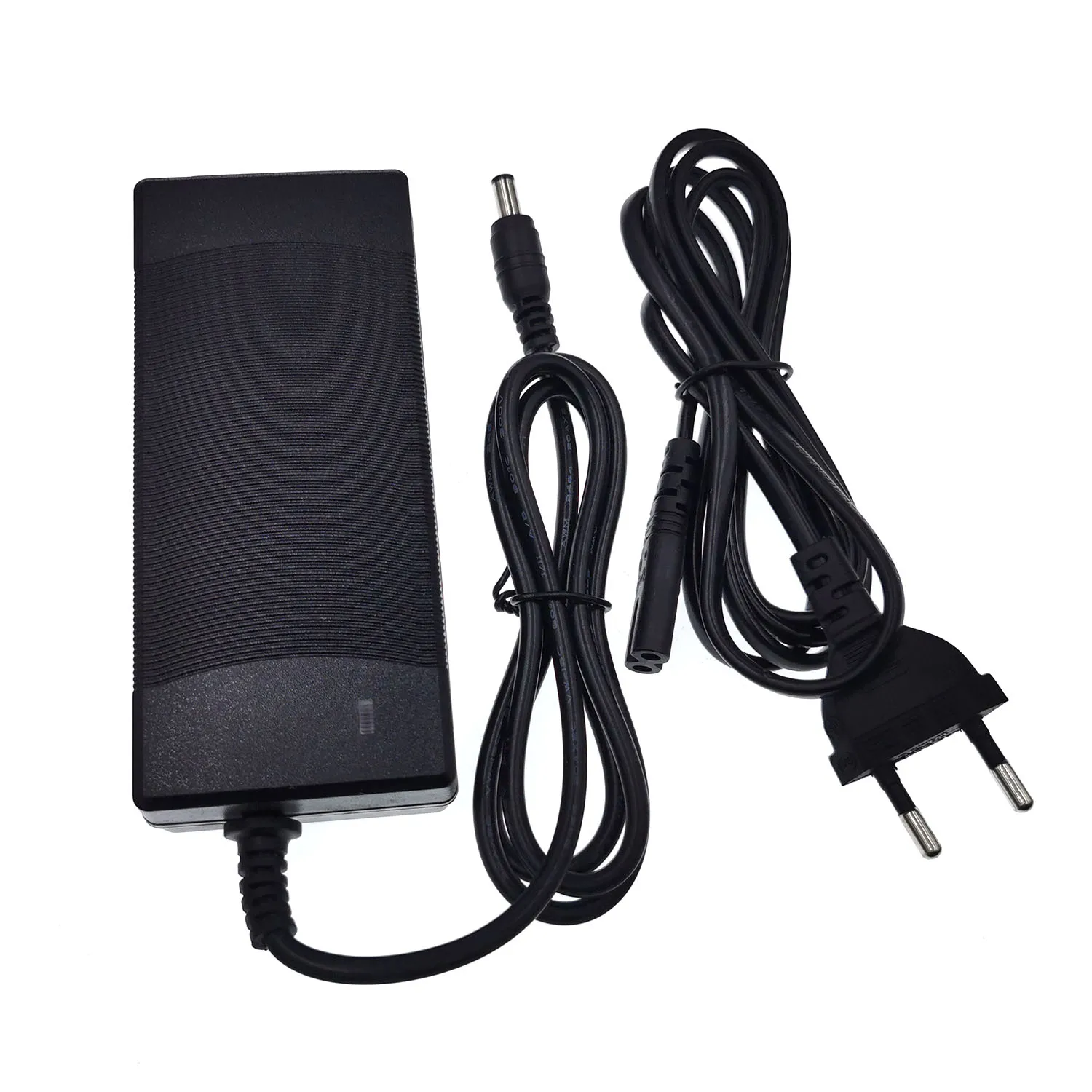
42V 2A Lithium Ion Lipoly Universal Battery Charger With Smart Control


42V 2A Lithium Ion Lipoly Universal Battery Charger With Smart Control
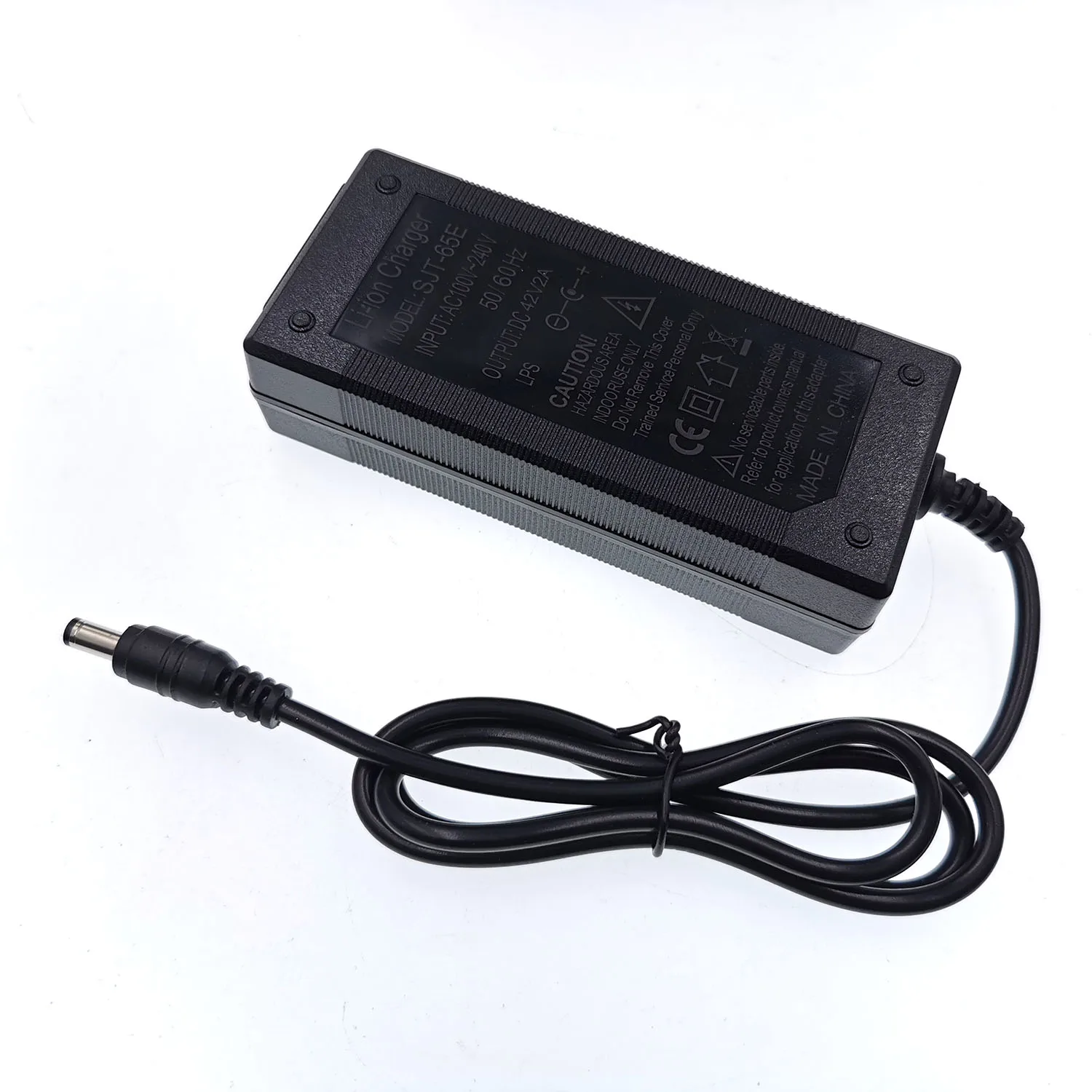
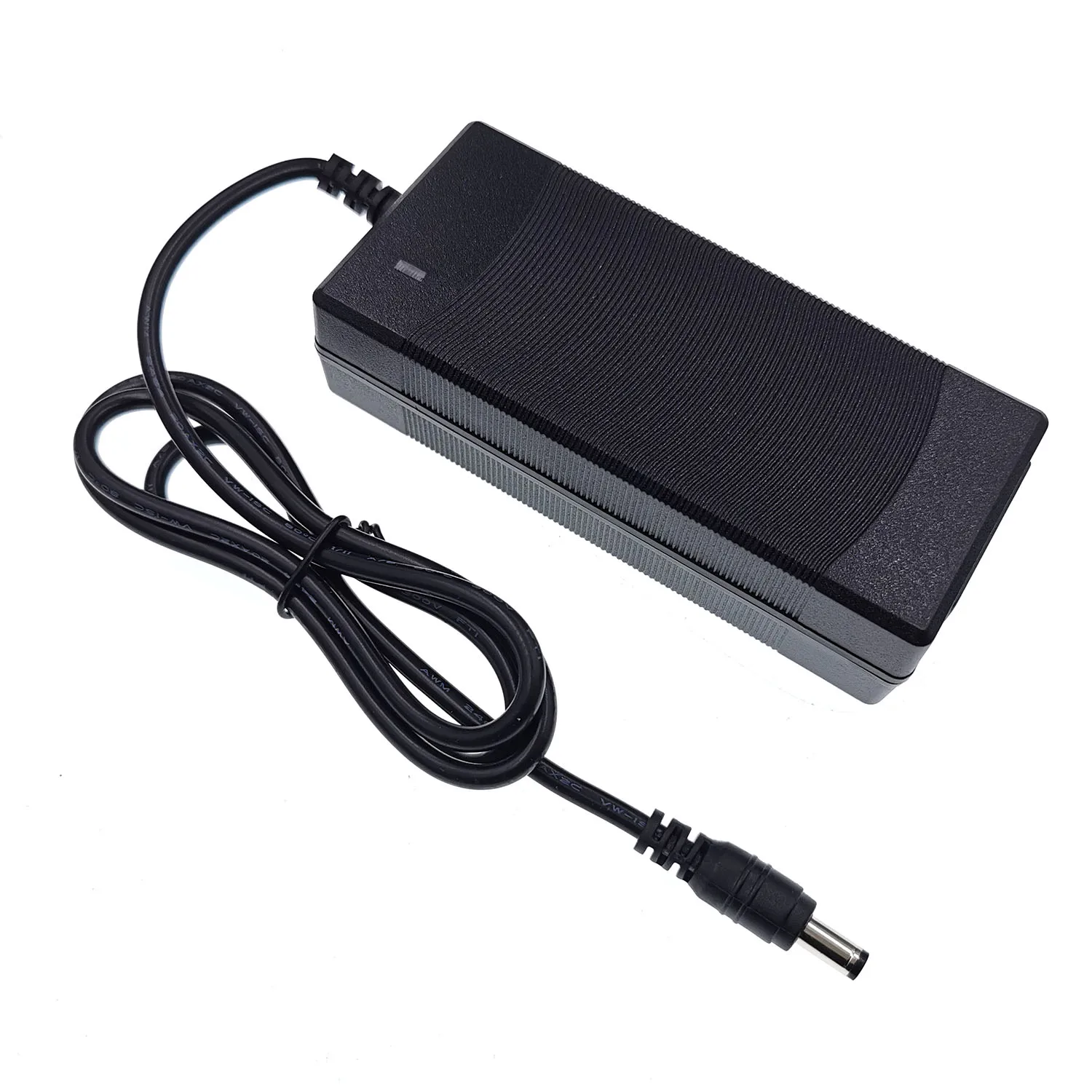
Charge 10-Series 36V lithium packs reliably with this 42V 2A smart controller charger. Designed specifically for 10-Series Li-ion and Li-polymer battery configurations, it delivers a stable 42V output at 2 amperes (maximum 63W) while accepting 100–240V AC input for global voltage compatibility.
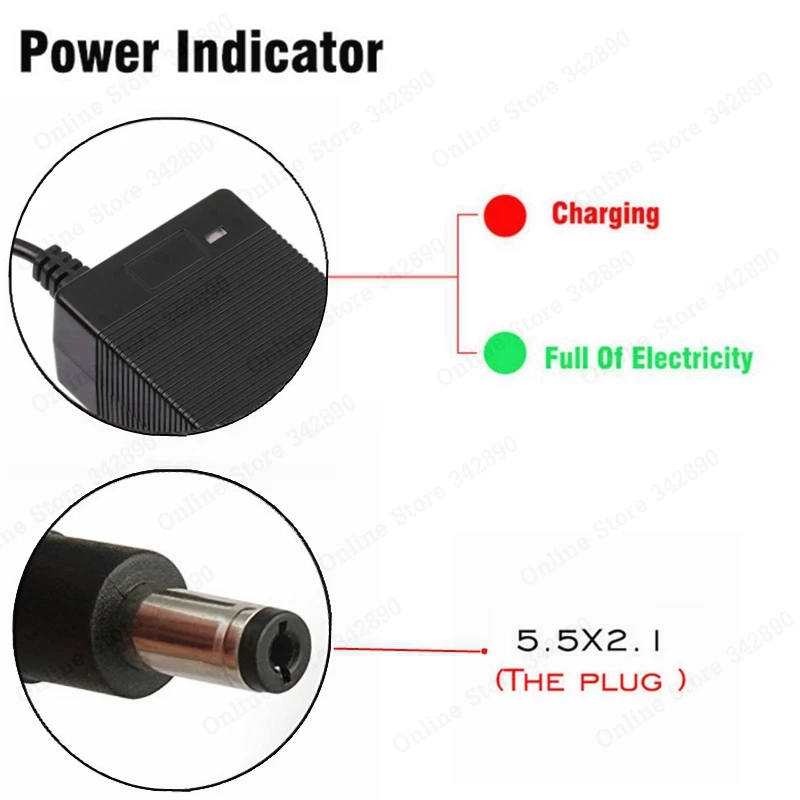
Safety and precision drive its internal circuitry. The charger integrates OVP, OCP, overload, and short-circuit protections alongside CE certification to protect sensitive cell banks during extended cycles. A dual-color LED tracks performance: red indicates active current flow, while green confirms target voltage has been reached. Leaving the unit connected for 2–3 additional hours after the green light stabilizes completes the trickle-balancing phase essential for pack longevity.

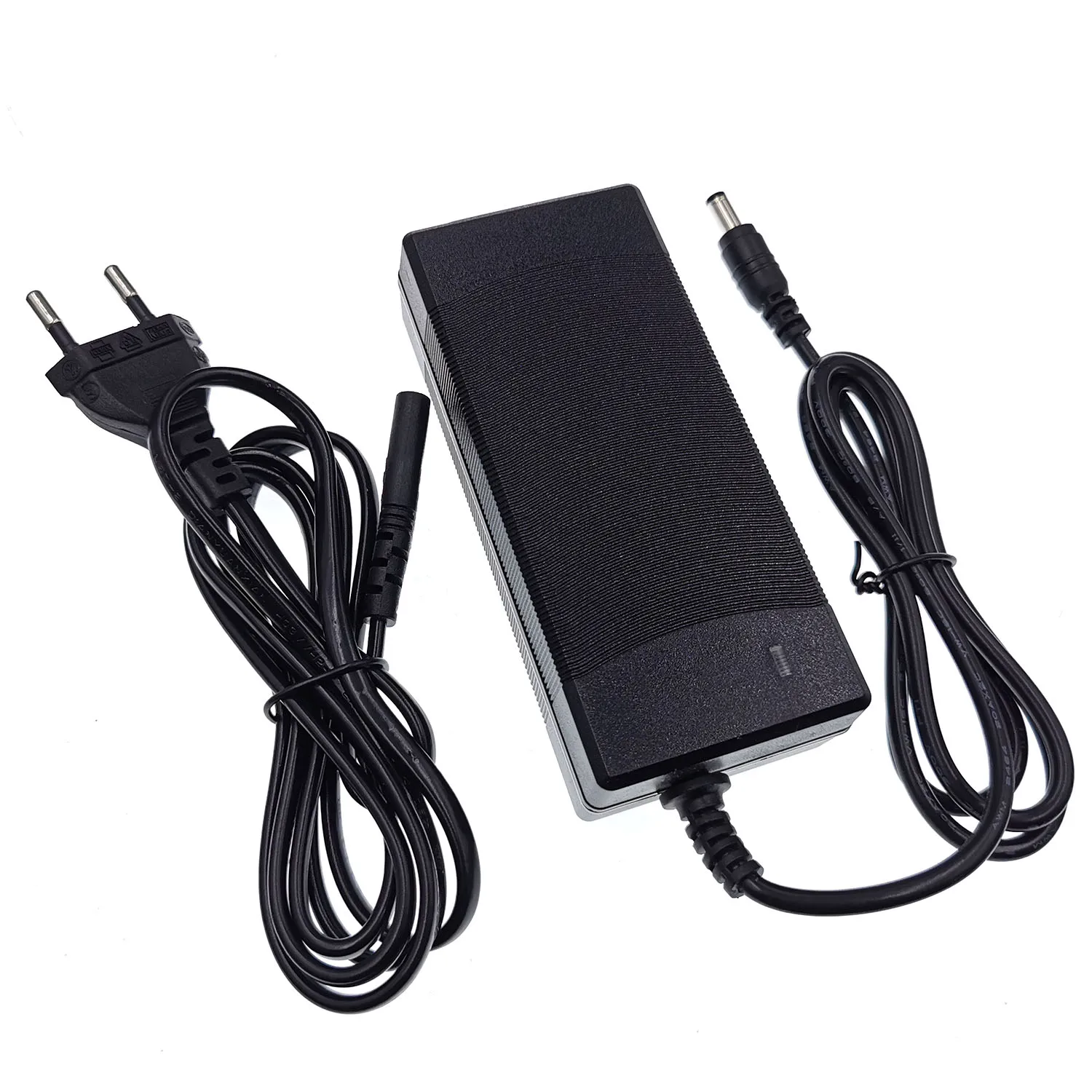
The hardware accepts world-wide input frequencies and ships with selectable EU, US, AU, or UK wall plugs. Each order includes the 42V adapter, a dedicated power cable, and region-matching prongs chosen during checkout.
- Target voltage matches 10-Series 36V Li-ion and Li-poly assemblies
- Maximum power rating capped at 63W with passive thermal regulation
- Input range supports 100-240V AC, 50/60Hz environments
Operational Guidelines
Maintain strict connection sequencing to safeguard port metal contacts: attach the charger output directly to the battery terminals first, then connect the AC cable. Reversing the process during high-current draw can generate arcs that damage internal relays. Store idle equipment disconnected from mains outlets and run a full recharge cycle every ninety days to prevent electrolyte degradation in dormant cells.
Chemistry matching remains critical for safe operation. This supply operates strictly within lithium-ion and lithium-polymer voltage windows. Applying it to LiFePO4 batteries triggers immediate thermal runaway risks due to lower cutoff thresholds. Keep the housing moisture-free and verify battery polarity before initial integration to prevent reverse-voltage feedback.